


Soil Test 3: Earthworm Count
Purpose: to measure earthworm abundance as an indicator of biological activity, organic matter turnover, and soil health.
Material needs: Digging spade, balance.
Time estimated: 10 minutes
Step-by-step instruction:
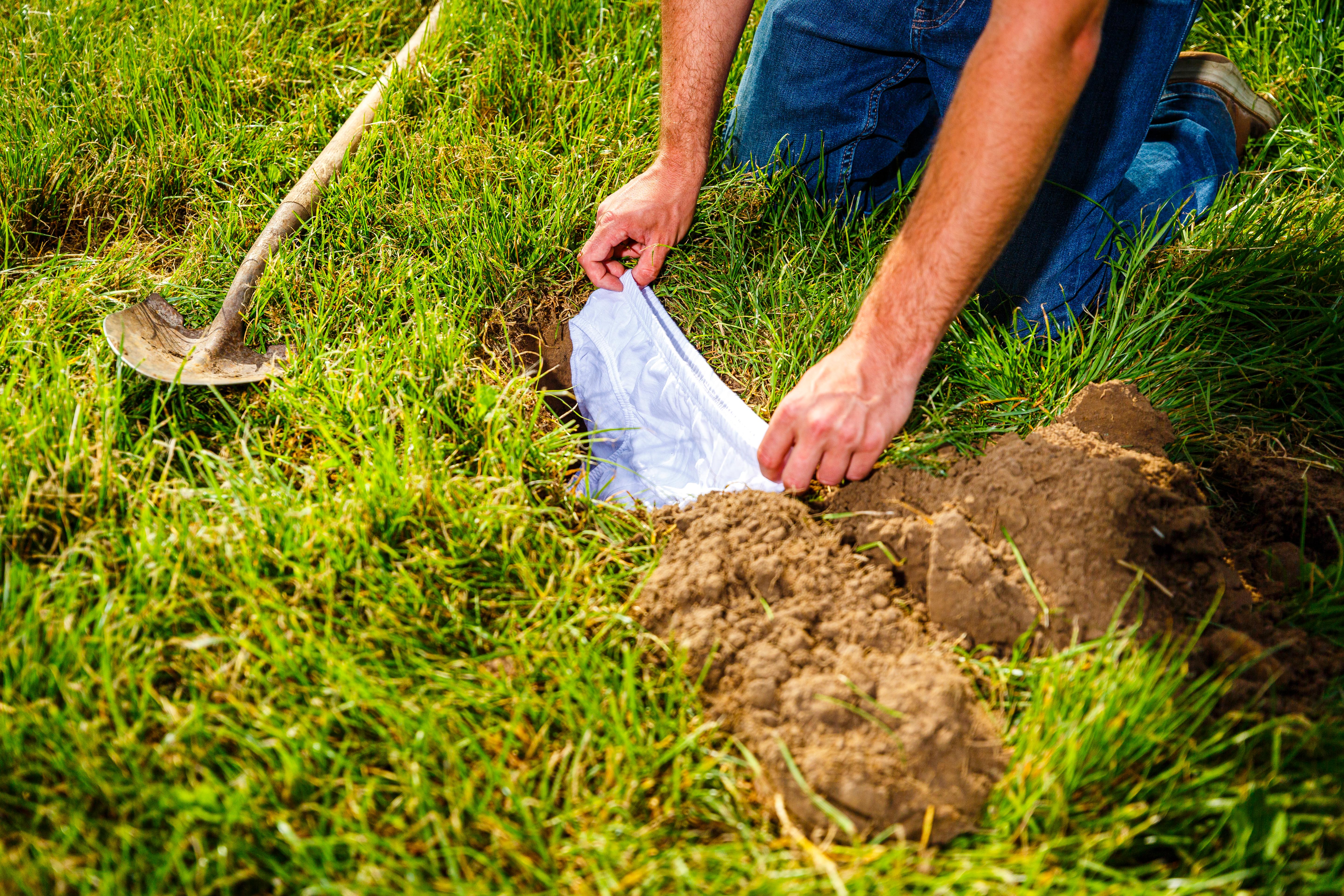
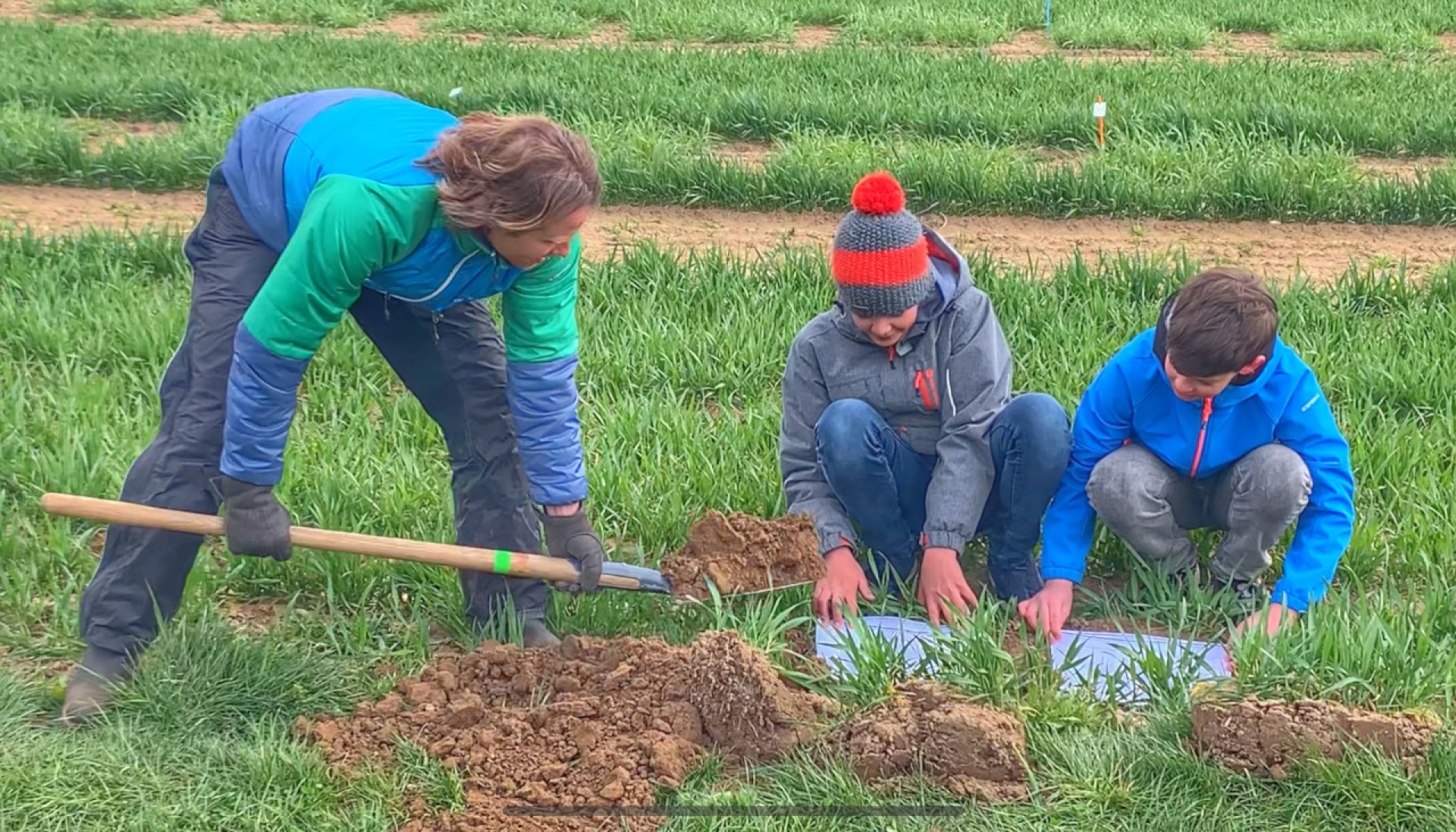
- If you have already performed Soil Test 2, use the excavated soil volume of the VESS spade test (Test 2) (20 × 20 × 30 cm) that you placed on a tarp or in a box.
- Otherwise, dig a 20 × 20 × 30 cm hole and place the soil on a plastic tarp or in a box.
- Carefully separate the soil, break up aggregates and count all earthworms. It is important to break up all soil aggregates as earthworms can hide inside. However, try not to mix the upper soil (top 20 cm) with the lower soil, as we will need the upper soil for Soil Test 5.
- Record the total number of earthworms found and write the weight down (try to remove soil particles).
- Note additional observations such as burrows or faeces.
Form
- Number of earthworms in 20 x20 x30 cm soil volume: _______
- Weight of earthworms in 20 x20 x30 cm soil volume: _______
- Note other observations (ducts, faeces, etc.):
- References
D’Hose, T., Molendijk, L., Van Vooren, L., van den Berg, W., Hoek, H., Runia, W., ... & Ruysschaert, G. (2018). Responses of soil biota to non-inversion tillage and organic amendments: An analysis on European multiyear field experiments. Pedobiologia, 66, 18-28.

App herunterladen und registrieren



Standort beschreiben


Falls du kein Smartphone besitzt oder aus anderen Gründen lieber mit einem PC teilnimmst, navigiere zur Karte.
Wie hat es denn beim Kabarettisten Simon Enzler funktioniert?